
Market
Planning for a Long Dry Season: Water Security for Antigua Homes
A regional forecast points to a drier, hotter few months in Antigua, and the homes that cope best are the ones planned for it.
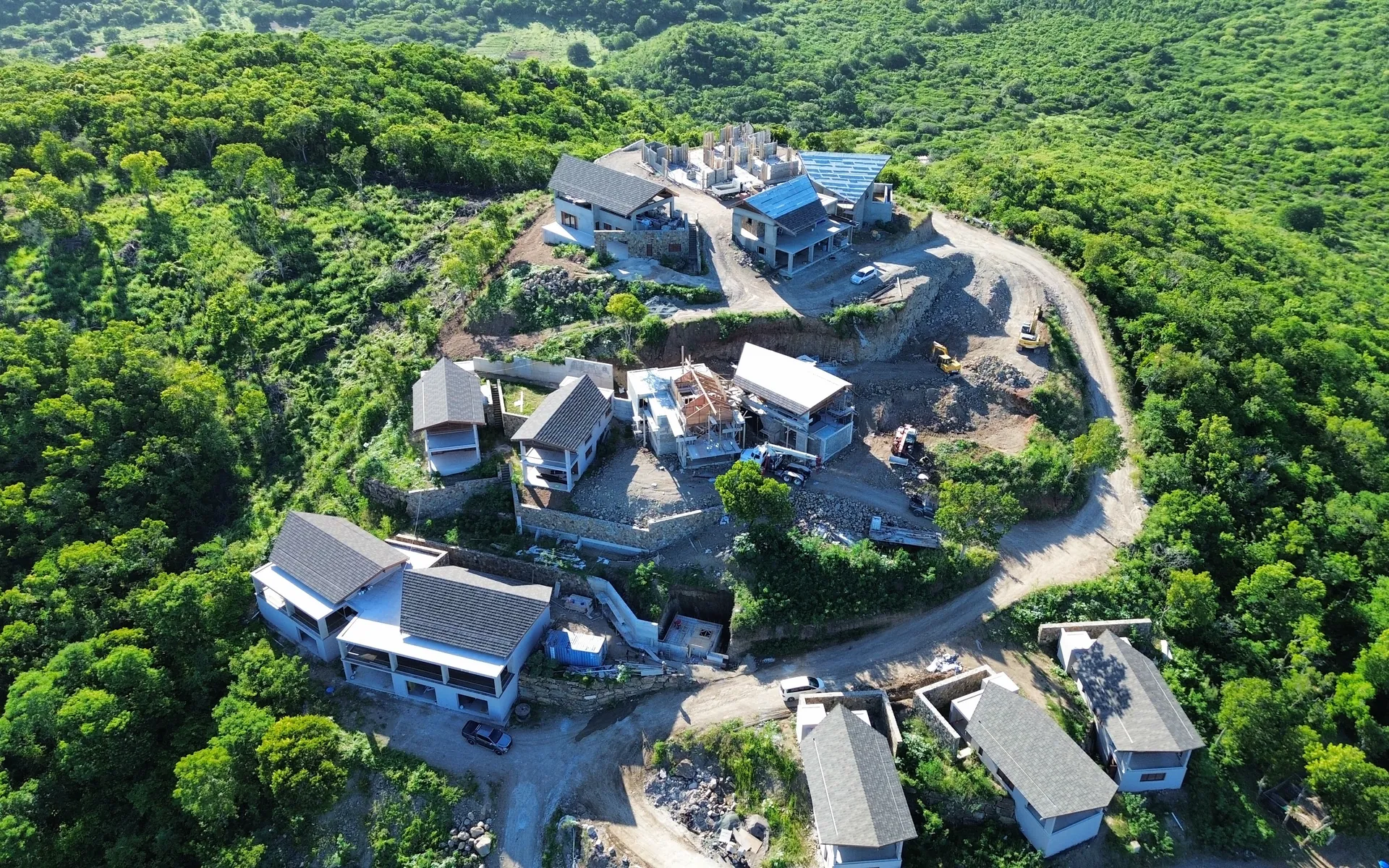
What happened
The dry spell many households have noticed this year is expected to continue. The Caribbean Climate Outlook Forum (CariCOF), which issues seasonal forecasts for the region, warns that drought conditions in Antigua could worsen from October to December, with temperatures running above normal as a very strong El Niño develops, as reported by Antigua News Room. Antigua was already listed among the territories in short-term drought as of September 1.
The outlook does not end with the year. CariCOF expects a further reduction in rainfall from January to March, with drought possibly widening by May 2027. It also notes that flash flooding remains possible, so a dry season does not rule out a heavy downpour.
This comes on top of pressure already on the public supply. In September, Cabinet approved APUA's request to acquire four storage tanks at Coolidge with a combined capacity of about two million gallons, according to Antigua News Room. The same report put APUA's daily production at roughly 8 to 9 million imperial gallons, down from about 11 million earlier in 2026, partly because of drought and the lack of potable water from Potworks Dam.
APUA has already felt the strain. In July it adjusted its water distribution schedule to shorten outages, as the drought pushed its desalination plants "to their limits", Caribpulse reported.
What it means if you own or are buying
Antigua has always been a water-conscious island, and well-built homes here are designed around that. Rain is collected from the roof and stored in a cistern, usually under or beside the house, with APUA mains as a supplement where available. In a long dry spell, that balance shifts: cisterns refill less often, and more households lean on the mains or on water delivered by truck.
For buyers, this makes water one of the practical questions to ask at every viewing, alongside title, access and power. For Citizenship by Investment (CIP) applicants buying into an approved development, it is worth asking how the development stores and manages water for its units, particularly if you plan to let the property while you are away. For owners who rent to guests, a dry season is also a guest experience question: low pressure or an empty tank is the kind of issue that turns into a poor review.
For anyone building, now is a good moment to treat water as part of the design rather than an afterthought. Roof catchment, gutters and downpipes, first-flush filtering and storage capacity all work together, and they are far easier to get right on the drawing than to retrofit later.
A practical checklist
Here is what we suggest looking at before the driest months arrive.
Know your storage. Find out the size of your cistern or tanks and roughly how long a full cistern lasts your household or guests. By law, a cistern must hold at least 10 imperial gallons for every square foot of roof, so a 2,000 square foot roof needs at least 20,000 gallons.
Check the catchment. Clean gutters and downpipes, check screens and first-flush devices, and make sure overflows drain away from the foundations.
Inspect the cistern. Look for cracks or leaks, and plan any cleaning or treatment while levels are low.
Test the pump and pressure system. A tired pump or a failing pressure tank shows up first when supply is tight.
Plan a backup. Know how you would top up: your mains connection, a reliable water delivery contact, and the cost. Truck deliveries run about EC$200 per 1,000 gallons, and most trucks carry 2,000 or 3,000 gallons, so expect about EC$400 to EC$600 a load.
Reduce demand. Low-flow fixtures, drip irrigation and drought-tolerant planting all stretch a cistern further.
If you are buying, ask. Request the storage capacity, the cistern's condition and the property's water history as part of your due diligence, and factor any upgrades into your offer.
If you are building, design for it. Start from the legal minimum of 10 imperial gallons per square foot of roof, size up for the expected use, and leave space to add tanks later.
The takeaway
A drier season does not change why people choose Antigua, but it does reward homes that are planned for it. Whether you are buying, building or letting, a short water check now can save a stressful few weeks in the new year.
If you'd like us to check a property's water setup before you buy, or plan storage into a new build, our team can walk you through the options. Book an advisory call and talk to us.
Sources: Antigua News Room, October 8, 2026, reporting the CariCOF Caribbean Climate Outlook for October to December; Antigua News Room, September 17, 2026; Caribpulse, July 24, 2026. Water delivery prices are typical rates and vary by supplier. This article reflects the situation as of mid-October 2026.
Questions about a property's water setup, or storage for a new build?
Book an Advisory Call