
Citizenship
What Antigua CIP Real Estate Actually Costs
The whole invoice for Antigua citizenship by investment real estate — fees, the price premium, the 5-year hold, and the honest property-vs-donation comparison.
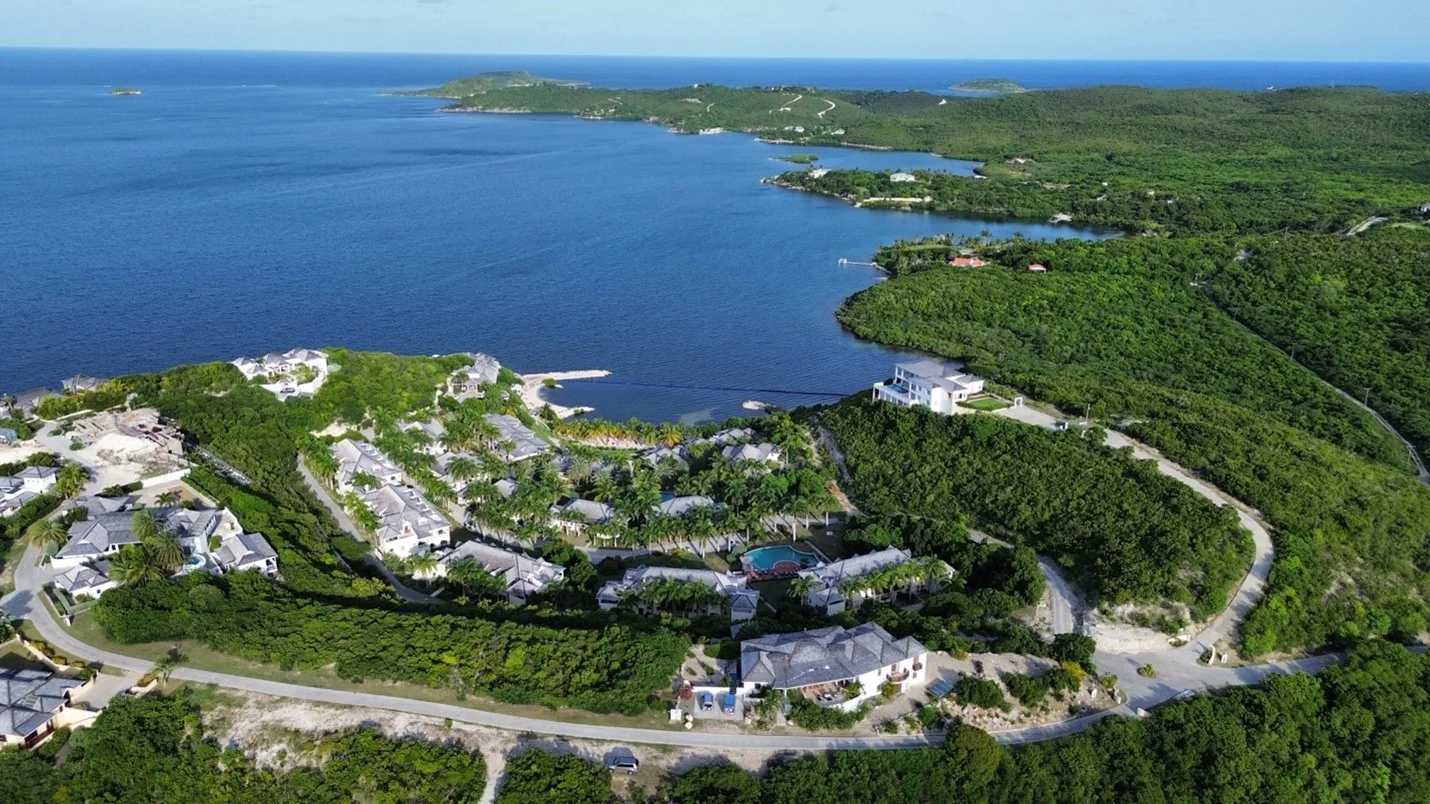
Search for Antigua's Citizenship by Investment programme and you'll find the same number everywhere: US$300,000, the real estate minimum. What's harder to find is the whole invoice. This article sets it out.
We facilitate CIP purchases, so we're not neutral either. But we're advisors first, and our clients get every number on the table before they commit. This article is that table, published.
The whole invoice
The property is US$300,000 at minimum — that part is true. On top of it, a family of four should expect roughly US$63,000–72,000 in costs beyond the property as the programme stands today: government processing fees, due diligence fees for each family member, the CIU's interview fee, passport fees, legal work, and the licensed agent's fee. Ours is around US$15,000, half on engagement — we'd rather print it here than have you discover it in a closing statement.
Government fees have moved before and will move again, so treat any article's figures — including this one — as a snapshot. Our CIP cost calculator runs the current numbers, and when you engage us, the complete breakdown is itemized on day one. Cost should never be the surprise in this process.
One genuine saving runs the other way: CIP purchases are exempt from the 7% Non-Citizens Landholding Licence that ordinary foreign buyers pay — on a US$300,000 purchase, that's US$21,000 that stays in your pocket compared to buying the same property without the citizenship route.
The premium nobody itemizes
Here's the cost that doesn't appear on any invoice: CIP-approved real estate is typically a unit or share within a larger approved development — often a resort or hotel project — and it carries a price premium over comparable non-CIP property or a custom build. Part of what you're paying for is the approval itself.
That's not a scandal; it's how the programme works everywhere it exists. But it should be underwritten with open eyes: the question isn't just "what does this unit cost?" but "what would this unit be worth without the citizenship attached?" We'll answer that question honestly for any development you're considering — it's the foundation of a realistic exit expectation.
Real estate or donation? The comparison most agencies won't run
Antigua's programme offers a straight contribution to the National Development Fund as an alternative — US$230,000 for a family of up to four — and here's the uncomfortable truth of our industry: most agencies won't seriously compare the two routes for you, because commissions live on the property side. We advise both, so we will.
The honest framework comes down to five questions:
Why do you want the second passport? If the answer is purely the passport — mobility, family security, estate planning — and neither Antigua nor the asset holds independent interest, the donation is simpler: one payment, no asset to manage, no exit to plan.
What's your budget? The donation is the lower all-in number, full stop. The property route ties up more capital but leaves you holding an asset at the end. Whether that asset justifies the difference depends on the next three questions.
Is the asset itself part of your strategy? For some buyers, the property is the point as much as the passport: a hard asset in a US-dollar-pegged market, outside their home country and currency — diversification with a citizenship attached. If that's your frame, the property route can make sense even if you never spend a night there; the analysis then becomes an investment one — the development's fundamentals, the premium you're paying for the approval, and a conservative view of the exit — which is precisely the analysis we run with clients.
Will you actually be here? If Antigua is part of your life's plan — winters, retirement, a base for the family — the calculus changes entirely. Now the property isn't a qualifying instrument; it's a home with a passport attached.
Would you live in the CIP property itself? Some approved developments suit owner use beautifully; others are fundamentally hotel inventory you'll rarely visit. Knowing which you're buying — before you buy — is exactly the kind of thing an independent advisor is for.
The five-year hold, and the honest exit
CIP real estate carries a five-year holding requirement, and the exit is the part of this industry with the least honest coverage. So:
Resales happen. Units have resold at developments including Nonsuch Bay, Passion Village, and Tamarind Hills. The market exists.
But it's thin, and the data is thinner. There is no reliable public record of CIP resale volumes or prices, which means anyone quoting you a confident resale return is guessing. We'd rather tell you that plainly: buy on conservative exit assumptions, and let anything better be upside.
Selling early has a rule attached. You can sell before the five-year mark — but keeping your citizenship then requires purchasing another CIP-qualifying property. In practice, plan this as a five-year-plus hold.
What actually surprises applicants
Not the cost — if your advisor put everything on the table at engagement, there's nothing left to surprise you. What catches families off guard is the paperwork: the volume of documentation the due diligence process demands is tedious and, for some, genuinely overwhelming. And the timeline: when the Citizenship by Investment Unit is backed up, processing stretches, and no agent controls that queue.
Both are manageable with the right expectations: start gathering documents early, build slack into your plans, and work with someone who has walked families through the process before.
The honest summary
A second passport from Antigua and Barbuda, through real estate, is a legitimate and well-trodden path — for the right family, at the right numbers, with the right expectations about the asset. The families who are glad they did it are the ones who saw the whole invoice, the premium, and the exit realities before committing. That's the version of this process we practice.
Considering citizenship by investment in Antigua? Run your numbers in our CIP calculator or book an advisory call — we'll walk you through both routes, property and contribution, and tell you honestly which fits.
Considering citizenship by investment? We'll walk you through both routes, honestly.
Book an Advisory Call