Buyer's Guide
A practical guide to
buying property in Antigua
Buying property in Antigua and Barbuda is very achievable for international buyers, when it is done in the right order, through the right ownership route, with the right people around the table. This Antigua real estate buyer's guide sets out how the process works, what it typically costs, how the NCL and CIP routes compare, and the decisions that matter most. MORA coordinates the whole journey and connects you with the professionals who handle each step.
Book an Advisory Call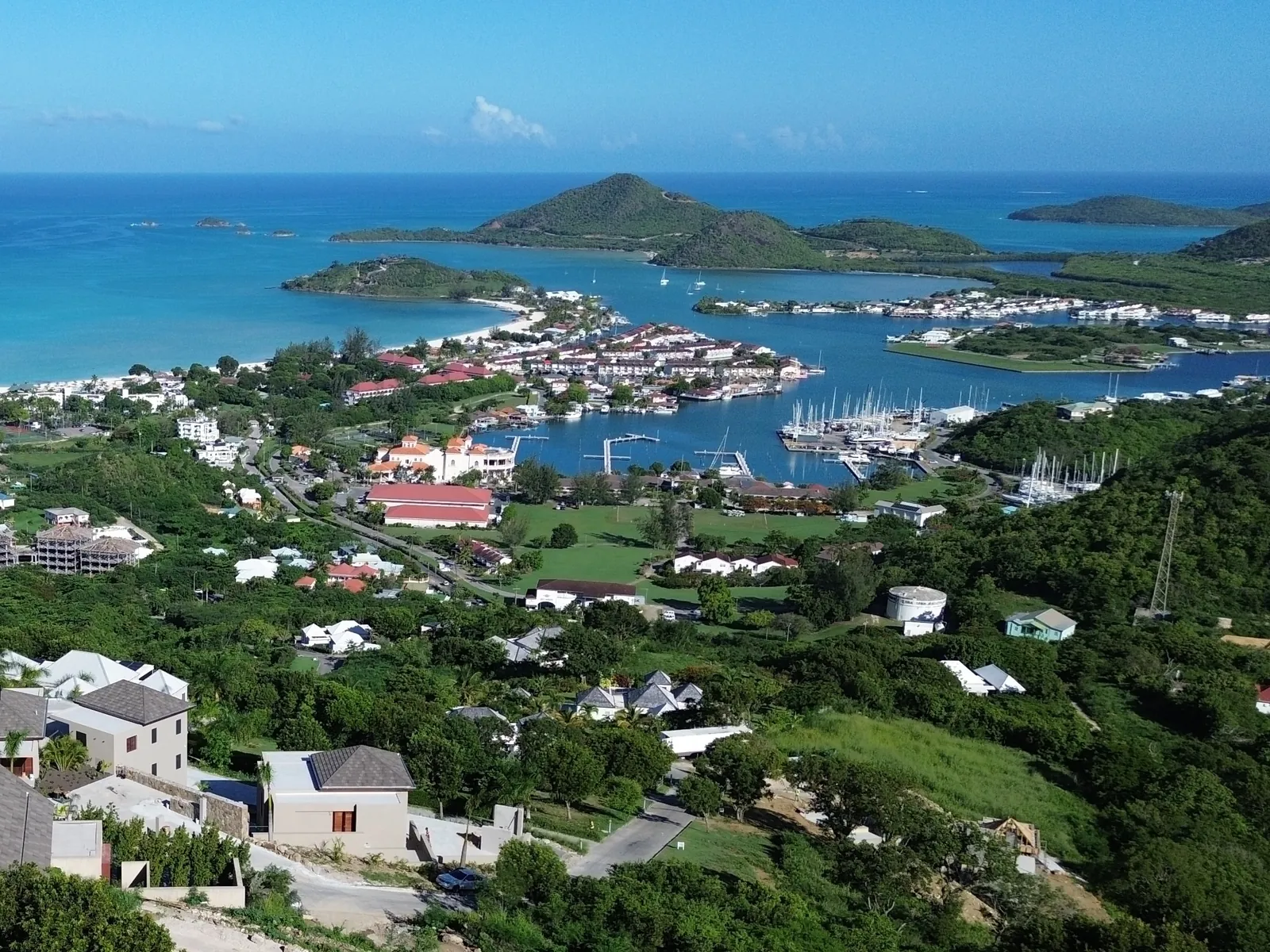
The Appeal
Why buyers choose Antigua
Antigua tends to attract a particular kind of buyer: people who want a genuine lifestyle, not just an address. The island is known for its sailing and marina culture, an exceptional and varied coastline, year-round warmth, and direct international access from North America, the UK, and Europe. For many buyers, that combination is the reason the search begins here.
It is also a comparatively limited market. Well-located freehold land and quality homes in the most sought-after areas are in genuinely short supply, and the best opportunities are often not widely advertised.
Prime inventory in Antigua is genuinely limited, while demand from international buyers remains strong. Compared with more mature regional markets such as Cayman, Barbados, and The Bahamas, Antigua can still feel less fully priced in certain segments. Major development activity in Barbuda is drawing wider international attention to Antigua and Barbuda, and may further support regional demand over time.
Much of the best market intelligence here remains local and relationship-driven. It never reaches a public portal. Well-chosen properties in strong locations can perform well over time, but the difference between a good buy and an ordinary one is rarely obvious from the outside. This is where MORA earns its place: we help you understand which opportunities are genuinely worth pursuing, and which are not.
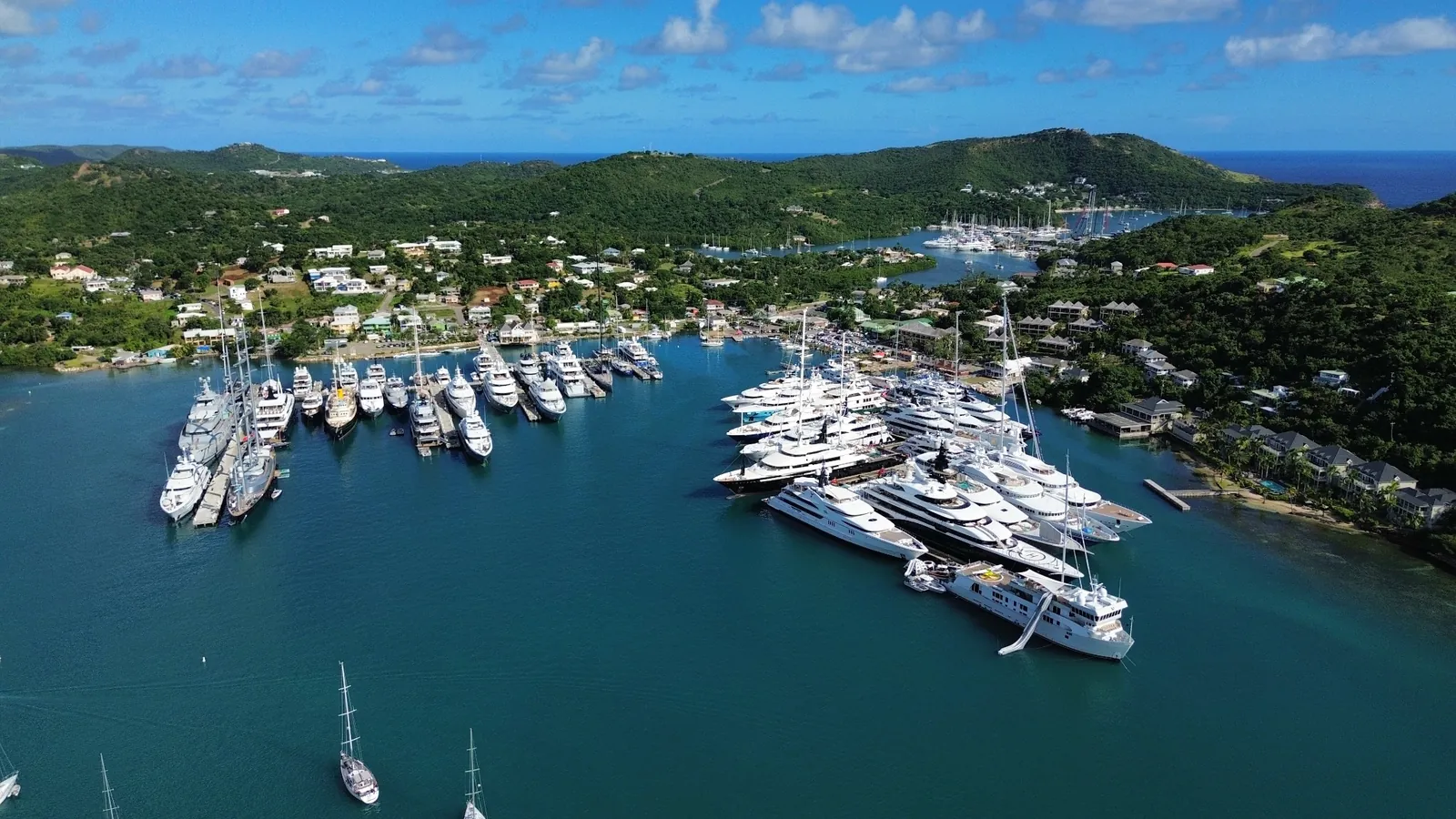
Much of the best market intelligence here remains local and relationship-driven. It never reaches a public portal.
Ownership
Can foreign buyers own property in Antigua?
Yes. Foreign nationals can own property in Antigua and Barbuda. For most foreign buyers, the purchase proceeds through one of two routes, depending on their wider goals:
The Non-Citizens Landholding Licence (NCL), also referred to as the NCHL. This is the standard licence that permits a non-citizen to hold land or property in Antigua and Barbuda, and it is the route many foreign buyers use for a straightforward purchase.
Citizenship by Investment Programme (CIP), sometimes called CBI. For buyers who also want Antiguan citizenship, this can be the route that makes the most sense both financially and strategically, with qualifying real estate forming part of the application. We set out the main CIP routes further down this page, and in more detail on our Citizenship by Investment page.
We will walk you through both routes, help you compare the practical cost and strategic fit, and make sure the path you choose matches what you are actually trying to achieve.
Currency
What you'll be quoted in
Real estate in Antigua and Barbuda is commonly quoted and negotiated in US dollars (USD). The local currency, the Eastern Caribbean Dollar (XCD / EC$), is pegged at EC$2.70 to US$1.00, a long-standing fixed rate that keeps budgeting straightforward and predictable.
Your offer, deposit, completion funds, and professional fees should all be planned in the currency stated in the sale agreement, with your bank confirming transfer timing and charges. We help you understand what is normal in Antigua and what needs closer review.
The Process
The property purchase process in Antigua
Every purchase is a little different, but most follow a recognisable sequence. Here is how the buying process in Antigua typically unfolds, step by step.
Initial conversation
We start by understanding what you are looking for: property type, location, budget, intended use, and whether you are buying for lifestyle, investment, or relocation. This is also where we discuss which ownership route is likely to fit.
Property search & shortlist
We curate a relevant shortlist, drawing on both listed properties and opportunities that are not publicly advertised, with our own market context alongside each option so you compare with a clear view of area, access, and quality.
Viewing trip / property tour
Most buyers visit to view shortlisted properties in person and get a feel for the different areas of the island. We coordinate viewings and provide on-the-ground context. Where travel is not possible, much of this can be handled remotely.
Offer & reservation
We help you make an offer and negotiate terms. On acceptance, a reservation deposit may secure the property early, with a larger exchange deposit following when contracts are signed (see Offers & deposits below).
Legal process & sales contract
Your attorney conducts due diligence, confirming title, boundaries, and any encumbrances, and prepares or reviews the sales agreement. We coordinate between the parties to keep things moving, and connect you with the right attorney if you need one.
Ownership route: NCL or CIP
In parallel, the relevant route is progressed: an NCL application or, where citizenship is part of the plan, the qualifying-real-estate steps within a CIP application handled by licensed CIP professionals we introduce you to.
Completion & title transfer
On completion, the balance of funds is paid, the relevant taxes and fees are settled, and title is transferred to you. Your attorney manages the formal transfer and registration.
After purchase
Ownership is the beginning, not the end. We help with property management, maintenance, rental readiness, renovation, and long-term care, particularly for owners who are off-island for part of the year.
Offers & Deposits
How offers and deposits usually work
A reservation deposit is sometimes used earlier in the process to take a property off the market while contracts are prepared. It is commonly around US$10,000, or another amount as agreed, and is typically credited toward the purchase.
Once contracts are exchanged, the buyer generally pays an exchange deposit of 10% of the purchase price, less any reservation deposit already paid. The remaining balance is then paid on completion.
The exact amounts, timing, and conditions should always be set out in writing in your sale agreement. We coordinate the moving parts and make sure you know what is due, and when, at each stage.
Choosing a Route
NCL vs CIP in Antigua: understanding the difference
The two routes serve different goals. The right one depends on whether you simply want to own property, or whether Antiguan citizenship is also part of your plan.
Non-Citizens Landholding Licence (NCL)
The NCL is the standard route for many non-citizen property buyers. You acquire the property and obtain the licence that allows a non-citizen to hold it; citizenship is not part of the equation. At the time of writing, the licence is commonly described as 7% of the assessed property value. For a buyer who simply wants a place in Antigua, this is generally the relevant path.
Citizenship by Investment (CIP)
The CIP becomes relevant when Antiguan citizenship is also part of your objective, or when you are comparing the NCL cost against the fixed fees associated with a citizenship application. Buyers purchasing CIP-approved real estate do not pay the 7% NCL licence on that property. For some buyers, particularly at higher property values, the CIP is the route that makes the most sense both financially and strategically. Read more about Citizenship by Investment.
We help you compare both routes side by side: the practical cost, the timing, and the strategic fit. MORA coordinates the property journey and introduces clients to trusted Antiguan attorneys, banks, accountants, licensed CIP agents, property managers, and other specialists as needed, so the right professional is involved at the right stage.
Citizenship by Investment
The main CIP routes in Antigua & Barbuda
Antigua and Barbuda's Citizenship by Investment Programme offers several qualifying routes. Which one fits depends on your goals, your family, and whether real estate is part of the picture.
National Development Fund
A contribution to the National Development Fund (NDF) is the most direct qualifying route, with no property to manage afterwards. The minimum contribution is US$230,000 at the time of writing, and it can lead to citizenship if the application is approved. Once citizenship is granted, a buyer may later purchase Antigua real estate as a citizen rather than as a non-citizen buyer, avoiding the NCL route and its 7% licence cost on that later purchase. Best for buyers who want the most direct citizenship path and may purchase any Antigua property separately later.
Approved real estate investment
Investing in a government-approved project can satisfy the programme while also giving you an asset. The minimum approved real estate investment is US$300,000 at the time of writing, and approved real estate must generally be held for 5 years unless replaced with another approved property. Best for applicants who want citizenship and a qualifying government-approved property in one route, though it should still stack up on location, quality, use, resale, and long-term ownership, not only on the citizenship benefit.
University of the West Indies Fund
A contribution to the University of the West Indies (UWI) Fund is designed for larger families, commonly a household of six or more. The minimum contribution is US$260,000 at the time of writing. Best for larger families of six or more who want strong value alongside property flexibility.
Business investment
An approved business investment is a further qualifying route. The minimum direct investment is US$1.5M for a sole investor; a joint investment requires US$5M in total, with each investor contributing at least US$400,000. Best for strategic investors exploring approved commercial structures rather than residential acquisition.
All CIP routes are subject to government processing, due diligence, and passport and other fees, and programme thresholds and conditions can change over time. We help clients compare the routes side by side, then introduce licensed CIP professionals who handle the application itself, while MORA keeps the real estate decision grounded in property quality, market fit, and long-term plans. For the full picture, see our Citizenship by Investment advisory.
Budgeting
Antigua property costs to plan for
Beyond the purchase price, buyers should budget for several categories of cost. The figures below are typical and indicative at the time of writing, and should be confirmed at the time of purchase with your attorney, but we would rather give you a working picture than leave you guessing.
| Cost category | Typical figure (at the time of writing) |
|---|---|
| Buyer stamp duty / transfer tax | Around 2.5% of the assessed value |
| Non-Citizens Landholding Licence (if applicable) | Commonly 7% of the assessed value |
| Legal fees | Typically 1%–2% of the purchase price |
| ABST on legal fees | 17% Antigua and Barbuda Sales Tax, charged on the legal fee |
| Reservation deposit | Often around US$10,000, or as agreed |
| Exchange deposit | Generally 10% of the purchase price, less any reservation deposit already paid |
| Balance on completion | The remaining purchase price |
| Ongoing costs | Property tax, insurance, maintenance, utilities, management, and community fees where applicable |
Typical buyer cost categories are shown above to help you plan. Rates and thresholds can change, and some depend on assessed rather than purchase value, so final figures should be confirmed at the time of purchase with your attorney. We will help you build a property-specific picture before you commit.
Estimate
Estimate your buying costs
Enter a price and choose how you are buying to see the costs above applied line by line, and what the purchase comes to in total.
Adjust the figures to match your situation.
Enter the full price in US dollars, for example 500,000, as Antigua property is usually quoted. Shorthand such as 500k or 1.2m works too.
How you are buying
For non-citizens buying outside the citizenship programme. The licence applies.
Legal fee rate
Fees are set and charged in US dollars.
Purchase price
US$500,000
Estimated buying costs
US$56,275
Total cost, including price
US$556,275
Budget roughly 11.3% on top of the price.
- Buyer stamp duty / transfer tax (2.5% of price)
- US$12,500
- Non-Citizens Landholding Licence (7% of price)
- US$35,000
- Legal fees (1.5% of price) estimate
- US$7,500
- ABST on legal fees (17%)
- US$1,275
- Total estimated buying costs
- US$56,275
Stamp duty and the licence are charged on the assessed value, which can differ from the price; this estimate uses the price. Deposits are part of the price, not an extra cost, and ongoing costs are not included. Citizenship by Investment programme fees are separate. Estimate them with our CIP cost calculator. Rates as of September 2026 and subject to change. Confirmed at engagement.
Indicative only. Legal fees vary by agreement, and figures exclude variables specific to your purchase, such as survey, bank, or financing costs. MORA does not provide legal or tax advice. Confirm your position with your attorney before you commit.
Common Questions
Frequently asked questions
Do I need to visit Antigua to buy?
It is not strictly required, and purchases have been completed by buyers who could not travel. That said, most buyers find a viewing trip valuable, both to see shortlisted properties and to get a feel for the different areas. We can advise on whether a visit is worthwhile in your case.
Can the process be handled remotely?
Largely, yes. Video tours, detailed reporting, and coordination with your attorney mean much of the process can be managed from abroad. Certain legal steps may require formal signatures or notarisation; your attorney will confirm what must be done in person versus remotely.
How long does buying take?
It depends on the property, the route, and government processing times. A straightforward NCL purchase can move relatively quickly, while a citizenship application generally takes longer. We set realistic expectations up front and keep the moving parts coordinated so nothing stalls unnecessarily.
Can foreign buyers get financing?
Some buyers purchase with local or international financing, but terms, availability, and eligibility vary, and many international purchases here are completed in cash. If financing matters to you, raise it early so we can factor it in and introduce you to the right banking contacts.
Which area is best?
There is no single best area: it depends on how you want to live or invest. The west coast, English and Falmouth Harbour, hillside and estate areas, and developing locations each offer different trade-offs in access, lifestyle, and value. Area guidance is part of every conversation we have with buyers.
What ongoing costs should I expect?
Plan for property tax, insurance, maintenance, utilities, management, and any community fees. Coastal properties in particular benefit from consistent upkeep. We can help you estimate these for a specific property before you commit.
Should I consider NCL or the CIP?
If your goal is simply to own property, the NCL route is usually the relevant one. If Antiguan citizenship is also part of your plan, or the numbers favour it at higher property values, the CIP may make more sense. We help you compare both and connect you with the right legal and licensed CIP professionals. See our Citizenship by Investment page.
Get Started
Start with a conversation about your purchase
The clearest first step is a private, no-pressure conversation about what you are looking for, which ownership route is likely to fit, and what to plan for. We'll give you a clear picture of the process and connect you with the right professionals for the next step.